

1 Week in Peru Itinerary: Cusco, Machu Picchu & the Sacred Valley
Peru had been at the top of my bucket list for years, and after spending a week exploring Cusco, the Sacred Valley, Machu Picchu, and the colorful peaks of Palccoyo Rainbow Mountain, I can confidently say it exceeded every expectation.
If you're planning your first trip to Peru, figuring out how to fit everything into a limited amount of time can feel overwhelming. Between ancient Inca ruins, breathtaking mountain scenery, charming colonial cities, and once-in-a-lifetime train rides, there's no shortage of incredible experiences.
This 1 week Peru itinerary follows the exact route I took and is designed to help you experience many of the country's highlights while minimizing travel stress. It includes exploring the Sacred Valley, visiting Machu Picchu, and even experiencing the stunning Palccoyo Rainbow Mountain.
Peru Itinerary Overview
- Day 1: Arrive in Lima
- Day 2: Fly to Cusco & Acclimate
- Day 3: Q'eswachaka Inca Rope Bridge & Pisac
- Day 4: Sacred Valley Tour & Overnight in Ollantaytambo
- Day 5: Train to Aguas Calientes & Machu Picchu
- Day 6: Sunrise at Machu Picchu & Return to Cusco
- Day 7: Palccoyo Rainbow Mountain
- Day 8: Explore Cusco & Fly Home

Day 1: Arrive in Lima
Most international flights arrive in Lima late in the evening, making it difficult to see much of the city on arrival day. Rather than fighting jet lag or navigating a new city after a long travel day, I recommend spending your first night near the airport...unless visiting Lima is important to you.
I stayed at the Costa del Sol Wyndham Lima Airport, which is located directly across from the terminal. Being able to simply walk to the hotel after landing made the start of the trip incredibly easy, especially knowing I had an early flight to Cusco the next morning.
If your schedule allows for additional time in Peru, Lima is worth exploring. However, if you're working with only one week, I recommend focusing your time on Cusco, the Sacred Valley, and Machu Picchu.
Day 2: Fly to Cusco & Acclimate
The following morning, take an early flight from Lima to Cusco. The flight takes about 1 hour and 30 minutes, but the change in altitude is significant. Cusco sits at over 11,000 feet (3,400 meters) above sea level, and many travelers experience some symptoms of altitude sickness during their first day.
Instead of planning an action-packed itinerary, use your first afternoon to acclimate.
After checking into your hotel, spend some time wandering around Plaza de Armas, the historic heart of Cusco. Surrounded by beautiful colonial architecture and impressive mountain scenery, it's the perfect introduction to the city.
For lunch, grab a meal overlooking the square before making your way to San Pedro Market. This bustling local market is a great place to experience everyday life in Cusco while browsing fresh produce, souvenirs, local foods, and handmade crafts.
Keep your first day relaxed. Drink plenty of water, avoid excessive alcohol, and listen to your body. Taking it easy now will make the rest of your week much more enjoyable.


Where I Stayed
If you're looking for a luxurious place to stay in Cusco, I can't recommend Aranwa Cusco Boutique Hotel enough. I stayed here for two nights at the beginning of my Peru adventure to acclimate to the altitude. Then I returned for another two nights after visiting Machu Picchu - and I'd happily stay here again.
One of the biggest perks was being able to leave my large suitcase safely at the hotel while I traveled to Machu Picchu. Since PeruRail and Inca Rail have luggage restrictions, this made the trip so much easier and saved me from hauling unnecessary bags through the Sacred Valley.
The location is fantastic, just a short walk from Plaza de Armas, excellent restaurants, and many of Cusco's top attractions. Every morning, I looked forward to the generous complimentary breakfast buffet, which included fresh fruit, pastries, made-to-order eggs, local specialties, and plenty of coffee to fuel a day of exploring. Throughout the day, complimentary coca tea was always available - a thoughtful touch that many travelers use to help ease the effects of Cusco's high altitude.
One feature I especially appreciated was the hotel's smart oxygen system, built directly into every guest room. At over 11,000 feet (3,400 meters) above sea level, the extra oxygen provided an added level of comfort, especially during the first couple of nights while adjusting to the altitude. Combined with the hotel's beautiful colonial architecture, museum-like artwork, attentive staff, and peaceful atmosphere, Aranwa became much more than just a place to sleep - it felt like part of the Peru experience itself.


My Experience with Altitude in Cusco
One of the questions I get asked most often about Peru is whether the altitude is really as challenging as people say.
The short answer? It can be.
Cusco sits at approximately 11,150 feet (3,400 meters) above sea level, which is significantly higher than most visitors are accustomed to. Because of this, I purposely built a relaxed first day into my itinerary to allow time to acclimate before tackling any major excursions.
Before the trip, I purchased a pulse oximeter from Amazon so I could monitor my oxygen levels throughout the week. While I never felt seriously ill, I was surprised to see my oxygen saturation drop as low as 70% at times during my stay in Cusco.
That number would normally be concerning at sea level, but lower oxygen saturation is common at high elevations. Even so, it's important to listen to your body and seek medical assistance if you're experiencing severe symptoms.
Interestingly, the hotel I stayed at in Cusco supplemented guest rooms with additional oxygen, which is something you'll find at many higher end hotels throughout the region. Most hotels are well-prepared for altitude-related issues and often provide complimentary oxygen tanks or oxygen service if guests need extra assistance.
Coca tea has been used in the Andes for generations and is commonly offered to visitors as a natural way to help ease altitude-related symptoms. Whether it was the tea, taking it slow, staying hydrated, or a combination of all three, I found it comforting to sip a warm cup while adjusting to the elevation.
Personally, I never felt the need to use supplemental oxygen. My symptoms were relatively mild and mostly consisted of:
- A persistent headache during the first couple of days
- Feeling more winded than usual when walking uphill
- Restlessness and difficulty sleeping at night
By taking it easy on my first day, drinking plenty of water, enjoying a few cups of coca tea, and allowing my body time to adjust, I was able to enjoy the rest of the trip without any major issues.
Tips for Adjusting to the Altitude
- Spend your first day in Cusco taking it slow.
- Drink more water than you think you need.
- Avoid excessive alcohol during your first 24-48 hours.
- Consider speaking with your doctor before your trip about altitude medications if you're concerned.
- Don't schedule strenuous hikes immediately after arriving.
- Listen to your body and rest when needed.
Everyone reacts differently to altitude, but a little preparation can go a long way toward making your Peru adventure more enjoyable.
Day 3: Visit Q'eswachaka Inca Rope Bridge & Pisac
One of the most unique experiences of my entire Peru trip was visiting Q'eswachaka, the last remaining Inca rope bridge still rebuilt by hand each year using traditional techniques passed down through generations.
Located several hours from Cusco, the bridge stretches dramatically across a deep canyon and offers a fascinating glimpse into Inca engineering and living cultural traditions.
Many visitors skip this experience entirely, but I found it to be one of the most memorable days of the trip.
The tour also included a visit to Pisac Archaeological Park, one of the most impressive sites in the Sacred Valley. Massive agricultural terraces cling to the mountainsides while ancient stone structures overlook the valley below.
Compared to Machu Picchu, Pisac receives far fewer visitors, allowing you to explore the site at a more relaxed pace while still experiencing remarkable Inca history.
After a long but rewarding day, return to Cusco for dinner and a good night's rest before heading into the Sacred Valley the next morning.
Tour with Rainbow Mountain Expeditions
For this day trip, I booked directly through Rainbow Mountain Expeditions and customized a private itinerary that combined both Q'eswachaka Inca Rope Bridge and the Pisac Archaeological Site into a single day. It ended up being one of the best decisions I made during my short time in Peru.
The tour included private transportation in a comfortable van, an experienced driver, a knowledgeable guide, breakfast, and lunch - all for an excellent value. Roger, my guide, was absolutely fantastic. He was friendly, informative, spoke excellent English, and made the long day enjoyable from start to finish. In fact, I were so impressed that I booked another tour with him later that week.
This is definitely a long day, with a very early morning pickup, but having everything organized for you makes the experience completely stress-free. The Cusco region is much larger than many people realize, and the drive times between attractions can be surprisingly long. Instead of worrying about navigating unfamiliar mountain roads or planning logistics, I were able to sit back, enjoy the incredible scenery, and focus on the experience. If you're hoping to visit both Q'eswachaka and Pisac in one day, I highly recommend booking a private customized tour with Rainbow Mountain Expeditions.


Day 4: Sacred Valley Tour & Overnight in Ollantaytambo
The Sacred Valley is often treated as simply a route between Cusco and Machu Picchu, but it deserves far more attention than that.
This region is filled with ancient ruins, traditional villages, dramatic mountain scenery, and fascinating archaeological sites. During my visit, I joined a full-day guided Sacred Valley tour from Cusco that included several of the valley's most iconic highlights, including Chinchero, Moray, Maras, and Ollantaytambo.
One of the best decisions I made on this trip was not returning to Cusco with the tour.
Instead, I arranged to be dropped off in Ollantaytambo at the end of the day and continued on to StarDome, a unique mountain retreat tucked high in the Andes overlooking the Sacred Valley.
Most Sacred Valley tours return to Cusco in the evening, but if you're planning to visit Machu Picchu the following day, I highly recommend spending the night in Ollantaytambo instead. Not only does it break up the travel, but it also positions you much closer to the train station for an early departure to Aguas Calientes.

Sacred Valley Tour with Exploor
For my journey through the Sacred Valley, I booked a small-group tour with Exploor through Viator, and it worked out perfectly - especially because I was continuing on to Machu Picchu afterward.
Before leaving Cusco, I simply left my large suitcase with the front desk at Aranwa Cusco Boutique Hotel and packed only my smaller bag for the next few days. One of the best features of this tour is that you can choose to return to Cusco at the end of the day or be dropped off in Ollantaytambo. Since I were catching the train from Ollantaytambo to Machu Picchu the following morning, being dropped off in Ollantaytambo saved unnecessary backtracking and gave more time to explore the Sacred Valley.
The tour included hotel pickup, comfortable transportation, a knowledgeable local guide, and a delicious buffet lunch served at a beautiful colonial-style hacienda. Traveling with a small group also made the experience feel much more personal while still being an excellent value.
If your itinerary includes both the Sacred Valley and Machu Picchu, we highly recommend taking advantage of the Ollantaytambo drop-off option. It's a simple change that can make your Peru itinerary much more efficient and help you maximize your time instead of spending it on the road.


Overnight at StarDome
Perched high above the valley, StarDome was easily one of the most memorable accommodations of the entire trip.
The property features geodesic dome accommodations with panoramic views of the surrounding Andes. After a busy day of exploring Inca ruins and mountain villages, it was incredible to disconnect from the crowds and spend the evening surrounded by nature.
As the sun set behind the mountains, the valley below began to glow, and after dark the sky filled with stars. Waking up in the mountains the next morning felt like an adventure all by itself.
If you're looking for a unique place to stay in the Sacred Valley, StarDome is worth considering. It was the perfect transition between exploring the Sacred Valley and continuing on to Machu Picchu the following day.


Day 5: Train to Aguas Calientes & Machu Picchu
One of the highlights of any Peru itinerary is the train journey through the Sacred Valley to Aguas Calientes.
As the train winds through narrow valleys alongside rushing rivers, you'll be treated to spectacular scenery the entire way.
After arriving in Aguas Calientes, check into your hotel and spend some time exploring the small town. Although most visitors use it simply as a base for Machu Picchu, it's a pleasant place to wander, shop for souvenirs, and enjoy a leisurely meal.
If you can secure tickets, I highly recommend visiting Machu Picchu the afternoon before your sunrise visit. Seeing the citadel twice provides two completely different experiences and increases your chances of having favorable weather conditions.
Booking Your Train to Machu Picchu
One of the most important parts of planning a trip to Machu Picchu is booking your train tickets. Since there are no roads connecting Cusco or Ollantaytambo to Aguas Calientes (Machu Picchu Pueblo), the train is the most popular way to reach the ancient citadel. Tickets can sell out weeks or even months in advance during the busy season, so I recommend booking as early as possible once your travel dates are set.
There are two main train companies that operate this route:
- PeruRail – The largest operator with several service levels, including Expedition, Vistadome, Vistadome Observatory, Sacred Valley, and the luxury Hiram Bingham train.
- Inca Rail – Another excellent option offering multiple classes of service, from budget-friendly seats to luxury experiences.
I booked both of my train journeys with PeruRail and had a great experience. On the way to Machu Picchu, I chose the Expedition train, which is the most budget-friendly option. The ride was comfortable, the scenery was spectacular, and since I was focused on getting to Machu Picchu, I didn't feel like I missed out by choosing the least expensive service.
For my return journey, however, I upgraded to the Vistadome - and I'm so glad I did. In addition to its panoramic windows that provide incredible views of the Sacred Valley, the return trip includes onboard entertainment featuring traditional Peruvian music, dancing, and a fun alpaca fashion show. It was a memorable way to end my Machu Picchu adventure and made the journey back feel like part of the experience rather than just transportation.
If you're deciding where to spend a little extra, my recommendation would be to save money on the trip to Machu Picchu and splurge on the Vistadome for the return journey. That way, you'll enjoy the best of both worlds while keeping your overall transportation costs reasonable.


Where I Stayed in Aguas Calientes (Machu Picchu Pueblo)
For my night in Aguas Calientes, we stayed at Jaya Machu Picchu Boutique Hotel, and ended up doing something that I'd recommend if your budget allows - I booked the room for two nights, even though I only spent one night there.
My Machu Picchu entry time was first thing in the morning, which meant an extremely early wake-up call. Instead of checking out before sunrise and carrying my luggage around all day, I was able to leave everything in the room, enjoy my morning at Machu Picchu, then return to the hotel afterward for a hot shower, a relaxing nap, and a little downtime before heading to the train station.
My train back to Poroy didn't depart until 3:20 PM, so having the room for the entire day made the experience much more enjoyable. Rather than wandering around town for several hours with nowhere to unwind, I could truly soak in the experience and recharge after an unforgettable morning exploring one of the Seven Wonders of the World.
Since hotel prices in Aguas Calientes can be surprisingly reasonable - especially compared to the value of having a comfortable place to rest - I thought the extra night was well worth the cost. If your return train isn't until later in the afternoon, it's something I'd absolutely consider doing again.


Afternoon Visit to Machu Picchu (Self-Guided)
If your budget and schedule allow, I highly recommend visiting Machu Picchu twice - once in the afternoon on your arrival day and again the following morning with a guide. Looking back, this was one of the best decisions I made during my entire Peru trip.
After arriving in Aguas Calientes and checking into my hotel, I headed up to Machu Picchu for an afternoon visit on my own. The atmosphere was noticeably calmer than the busy morning hours, and I were able to explore at my own pace without feeling rushed. Instead of focusing on facts and history, I simply took it all in - walking the ancient stone paths, admiring the incredible engineering of the Inca civilization, and stopping whenever I wanted to soak up the views or take photos.
Because I wasn't trying to keep up with a tour group, I had the freedom to linger at my favorite viewpoints, wait for the crowds to clear, and truly appreciate just how magical this place is.
One of my favorite surprises was the number of llamas roaming freely throughout the citadel. I saw them everywhere during our afternoon visit - grazing on the terraces, posing against the dramatic mountain backdrop, and casually wandering through the ruins. They made for some of my favorite photos from the entire trip and added even more charm to an already unforgettable place. Interestingly, when I returned the following morning, there were far fewer llamas around, making me even happier that I had experienced Machu Picchu the afternoon before.


Day 6: Sunrise at Machu Picchu (Guided)
The next morning, I returned for a private guided tour, and it completely transformed the experience. Because I had already explored the site on my own, I wasn't distracted trying to find viewpoints or take the perfect photo. Instead, I could give my full attention to my guide, who explained the history of the Inca civilization, the purpose of different structures, the incredible stonework, and the many mysteries that still surround Machu Picchu today.
The two visits complemented each other perfectly. The afternoon visit gave me the freedom to experience the beauty, serenity, and wildlife of Machu Picchu at my own pace, while the morning guided tour provided the historical context that made me appreciate the site even more.
If you're trying to decide whether two visits are worth it, my answer is 100% yes. Experiencing Machu Picchu in both the peaceful afternoon light and the fresh morning hours gave me two completely different perspectives on one of the world's most extraordinary places - and I wouldn't change a thing.
After exploring Machu Picchu, return to Aguas Calientes for lunch before boarding the train back toward Cusco.
The return journey provides one final opportunity to soak in the incredible scenery of the Sacred Valley before settling back into Cusco for the evening.


Machu Picchu Tickets
Planning your visit to Machu Picchu can feel overwhelming at first, but once you understand how the ticket system works, it's much more manageable.
Book Your Tickets Early
The first thing to know is that Machu Picchu entrance tickets are completely separate from your train tickets. Entry tickets are date- and time-specific, and you must choose your circuit when you book. The most popular routes often sell out weeks or even months in advance, especially during the busy season, so I recommend purchasing your tickets as soon as your itinerary is finalized. Tickets are sold through Peru's official Ministry of Culture website.
Understanding the Circuits
Machu Picchu is no longer open for free exploration. Instead, visitors follow one of three main circuits (with several route variations within each circuit), and your ticket determines exactly where you can go.
- Circuit 1 (Panoramic): Best for sweeping views and the famous postcard photo but offers limited access to the main ruins.
- Circuit 2 (Classic): The most popular option and my recommendation for first-time visitors. It includes the iconic viewpoint plus a walk through much of the ancient city.
- Circuit 3 (Royalty): Explores the lower section of the citadel and is often combined with hikes such as Huayna Picchu.
If it's your first visit, I'd recommend choosing Circuit 2, as it offers the most complete experience of Machu Picchu.
Don't Forget Your Passport
This is incredibly important: bring your physical passport. The name and passport number on your entrance ticket must match the passport you present at the entrance. Digital copies or photos on your phone aren't enough, and without your passport you may be denied entry.
Hiring a Guide
While you can easily hire an official guide outside the entrance to Machu Picchu on the day of your visit, I chose to arrange mine in advance so everything was set before I arrived.
I booked Freddy directly through WhatsApp a few weeks before my trip, and he was fantastic. He spoke perfect English, was incredibly knowledgeable about Inca history, answered all of my questions, and paced the tour perfectly without ever making it feel rushed. Since I had already explored Machu Picchu on mine own the afternoon before, Freddy's tour helped me understand the significance of what I were seeing and added so much depth to the experience.
If you'd like to book him yourself, here's his WhatsApp number:
📱 Freddy (Official Machu Picchu Guide)
WhatsApp: +51 957 649 515
I had such a great experience with him that I'd happily recommend him to anyone looking for a knowledgeable, friendly, English-speaking guide at Machu Picchu.
Bus Tickets from Aguas Calientes
Most visitors take the shuttle bus from Aguas Calientes (Machu Picchu Pueblo) up to the entrance. The ride takes about 25–30 minutes and winds its way up a series of steep switchbacks.
You can purchase round-trip or one-way bus tickets, depending on your plans. I recommend buying them the day before directly at the bus station if possible to save time on the morning of your visit. On the day of your visit, arrive early - especially for morning entry times - as the bus lines can become quite long. The process is well organized, and buses depart continuously throughout the day.
My Recommendation
If we were planning another trip to Machu Picchu, I'd do exactly the same thing:
- Book Circuit 2 for the most complete experience.
- Visit twice - a self-guided afternoon visit followed by a guided morning tour.
- Buy bus tickets as soon as you get to Aguas Calientes.
- Carry your passport.
- Book entrance tickets as early as possible to get your preferred circuit and time.
Those few extra planning steps made my visit completely stress-free and allowed me to simply enjoy one of the most incredible places I've ever experienced.
Day 7: Palccoyo Rainbow Mountain
Most travelers have heard of Vinicunca Rainbow Mountain, but fewer know about Palccoyo.
For my Rainbow Mountain experience, I chose Palccoyo Rainbow Mountain instead of the more popular Vinicunca Rainbow Mountain, and I couldn't have been happier with that decision. If you're looking for stunning rainbow-colored mountains without the huge crowds or a difficult hike, I highly recommend Palccoyo.
I once again booked directly with Rainbow Mountain Expeditions with Roger as my guide after having such a great experience with him earlier in the week. Just like before, everything was perfectly organized, and having a private tour meant I could simply relax and enjoy the journey.
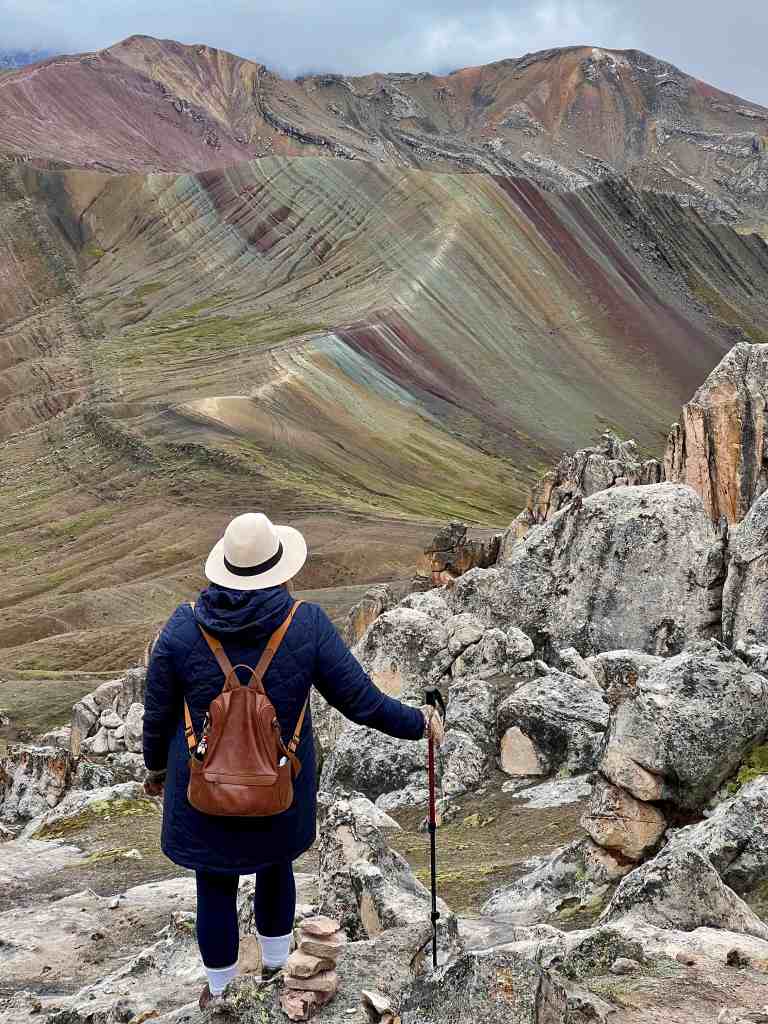
The day began with a 4:00 AM hotel pickup before heading into the Andes. Along the way, we stopped in the historic village of Checacupe and passed the striking Red River, whose vibrant color comes from iron oxide in the surrounding mountains.
The hike to Palccoyo took about 45 minutes and was much easier than I expected. Along the trail, I was surrounded by breathtaking views of the snow-capped Ausangate mountain in the distance. The colorful mountains and unique stone forest made this one of my favorite landscapes in Peru.
Roger shared fascinating stories about Andean culture and the geology behind the rainbow mountains, and I never felt rushed. After the hike, I enjoyed an included buffet lunch before returning to Cusco around 5:00 PM.
This was easily one of the highlights of my Peru trip. Between the incredible scenery, fewer crowds, shorter hike, and another fantastic day with Roger, I would absolutely recommend Rainbow Mountain Expeditions to anyone planning to visit Palccoyo.


Day 8: Explore Cusco Before Flying Home
If your flight schedule allows, spend your final morning exploring a few more corners of Cusco.
One of my favorite viewpoints was Mirador de San Cristóbal, which offers panoramic views over the city's red rooftops and surrounding mountains.
Nearby, Siete Borreguitos is one of Cusco's most photogenic streets and worth a quick visit before heading to the airport.
From Cusco, take a short flight back to Lima and connect with your international flight home.


Foods & Drinks You Have to Try in Peru
Peru is consistently ranked as one of the world's best food destinations. Whether you're dining at a local café or an upscale restaurant, don't miss the chance to try some of Peru's most iconic dishes.
🥩 Lomo Saltado
If you only try one dish in Peru, make it lomo saltado. This flavorful stir-fry combines marinated beef, onions, tomatoes, soy sauce, and crispy French fries, all served over rice. It perfectly showcases Peru's unique blend of Indigenous and Chinese influences and quickly became one of my favorite meals of the trip.
🐟 Ceviche
Peru's national dish features fresh raw fish marinated in lime juice with onions, cilantro, and chili peppers. Since it's traditionally served fresh, lunchtime is usually the best time to order it.
🥟 Empanadas
You'll find empanadas everywhere in Peru. Whether filled with beef, chicken, cheese, or vegetables, they're an inexpensive and delicious snack or light meal.
🥔 Papa a la Huancaína
Peru is home to thousands of varieties of potatoes, so it's no surprise they play a starring role in the local cuisine. This popular appetizer features boiled potatoes topped with a creamy, slightly spicy cheese sauce.
🥣 Aji de Gallina
A comforting Peruvian classic made with shredded chicken in a rich, creamy yellow pepper sauce, typically served with rice and potatoes.
🍗 Pollo a la Brasa
Peruvian rotisserie chicken is famous for a reason. Seasoned with a blend of spices and slow-roasted until perfectly crispy, it's simple but incredibly flavorful.
🥤 Chicha Morada
This refreshing non-alcoholic drink is made from purple corn, pineapple, cinnamon, cloves, and fruit. It's sweet, refreshing, and unlike anything you'll find back home.
🍸 Pisco Sour
No trip to Peru is complete without trying a Pisco Sour. Made with pisco, lime juice, simple syrup, egg white, and bitters, it's Peru's signature cocktail and the perfect way to end a day of sightseeing.
☕ Coca Tea
You'll find complimentary coca tea at many hotels in Cusco and throughout the Sacred Valley. Many travelers drink it to help with altitude acclimatization, and it quickly became part of my daily routine during my stay.
One of my favorite parts of traveling through Peru was that every meal felt like another cultural experience. From hearty mountain dishes in the Andes to fresh ceviche and world-class cocktails, the food was every bit as memorable as the incredible landscapes.

Is One Week Enough for Peru?
While you could easily spend several weeks exploring Peru, one week is enough to experience many of the country's most iconic highlights.
This itinerary combines ancient history, vibrant culture, breathtaking mountain scenery, unforgettable local experiences, and one of the world's most famous archaeological sites - all while keeping travel logistics as efficient as possible.
That said, this is not a relaxing vacation. It's a fast-paced itinerary packed with early mornings, long driving days, train rides, high-altitude adventures, and very little downtime. There were several mornings when I was up before sunrise and plenty of evenings where I was ready for bed shortly after dinner.
But if you're like me and have limited vacation time, it's absolutely worth it. I'd much rather come home tired after experiencing everything Peru has to offer than wonder what I missed. Every early alarm, winding mountain road, and long day led to another unforgettable experience, making this one of the most rewarding trips I've ever taken.
For first-time visitors who want to see as much as possible in a week, I truly believe this itinerary offers the perfect introduction to everything that makes Peru such an incredible destination.
Peru Travel Tips
A little planning goes a long way in Peru. These practical travel tips will help you avoid common mistakes, save time, and make the most of your adventure.
Altitude Sickness
One of the biggest things to prepare for in Peru is the altitude. Cusco sits at 11,152 feet (3,399 m) above sea level, and many popular destinations - including the Sacred Valley and Rainbow Mountains - are even higher.
I highly recommend starting your trip in Cusco and taking it easy for the first day or two. Drink plenty of water, avoid too much alcohol your first night, and don't plan anything too strenuous immediately after you arrive.
Most hotels offer complimentary coca tea, which locals have used for generations to help ease altitude symptoms. While it isn't a cure, I found it comforting and drank several cups throughout my stay. If you're concerned about altitude sickness, talk to your doctor before your trip about medications like Diamox.
The altitude affects everyone differently. I experienced shortness of breath while climbing stairs and definitely noticed I tired more easily, but taking my time made a huge difference. If you start experiencing severe symptoms, don't ignore them and listen to your body.
Cash & Money
While credit cards are accepted at many hotels and restaurants in larger cities like Cusco, cash is still essential in Peru.
I recommend carrying Peruvian Soles (PEN) for smaller restaurants, market purchases, tips, public restrooms, and shopping in smaller towns. Many vendors either don't accept cards or charge an extra fee for using one.
ATMs are easy to find in Cusco and Aguas Calientes, but they're much less common in smaller villages, so withdraw enough cash before heading into more rural areas.
I also recommend carrying a variety of smaller bills. Taxi drivers, market vendors, and small businesses don't always have change for larger notes.
Transportation
Getting around Peru takes longer than it looks on a map. Mountain roads are winding, speeds are slow, and many attractions are several hours apart.
Rather than renting a car, I chose to book private tours and organized transportation for most of the trip, and I honestly think it was the right decision. It allowed me to relax and enjoy the scenery instead of navigating unfamiliar mountain roads.
For getting around Cusco, taxis are plentiful and inexpensive. I used them several times and never waited more than a few minutes.
If you're visiting Machu Picchu, you'll also need to factor in train schedules, shuttle buses, and timed entry tickets, so planning your transportation in advance will make your trip much less stressful.
Train Tickets
If you're visiting Machu Picchu, book your train tickets as early as possible, especially if you're traveling during the dry season (May through September).
The two main train operators are PeruRail and Inca Rail, both offering several service levels at different price points.
I booked PeruRail for both directions. On the way to Machu Picchu, I chose the Expedition Train, which is the most affordable option and was perfectly comfortable.
For the return journey, I upgraded to the Vistadome, and I'd absolutely recommend doing the same if your budget allows. In addition to the panoramic windows, the return trip includes live traditional music, dancing, and a fun alpaca fashion show, making the ride feel like part of the experience instead of simply transportation.
One important thing to know is that large suitcases are not permitted on the trains. Both PeruRail and Inca Rail limit luggage to a small carry-on, so most travelers leave their larger bags at their hotel in Cusco or Ollantaytambo until they return.
Best Time to Visit Peru
Peru is a year-round destination, but the best time to visit depends on what you want to experience.
May through September is considered the dry season and is generally the best time for hiking and visiting Machu Picchu. You'll typically find blue skies, cooler temperatures, and less chance of rain - but also the largest crowds.
October through April brings the rainy season. While you'll encounter more showers, you'll also find greener landscapes, fewer tourists, and often lower hotel prices. Rain usually comes in the afternoon rather than lasting all day, although conditions can vary.
I visited in early May, during the dry season, and the weather was nearly perfect for sightseeing. The cool mornings, sunny afternoons, and clear mountain views made it an ideal time to explore.
No matter when you visit, pack layers. Temperatures can change dramatically throughout the day, especially in the Andes. A warm jacket for early mornings and evenings, along with sunscreen for the strong high-altitude sun, are both must-haves.
Final Thoughts
I'll be the first to admit that this is anything but a relaxing vacation.
There are early mornings, long travel days, high altitudes, winding mountain roads, and more than a few alarm clocks set before sunrise. If your ideal trip involves sleeping in and spending all afternoon by a pool, this probably isn't the Peru itinerary for you.
But if you're the type of traveler who wants to make the most of every vacation day, this itinerary delivers an incredible adventure.
In just one week, you'll stand on an ancient Inca rope bridge, wander through the Sacred Valley, watch the sunrise over Machu Picchu, explore colorful mountain landscapes, and experience one of the most fascinating cultures in South America. Every day brings something completely different, which is exactly what makes this trip so memorable.
Looking back, there were certainly moments when I was tired, but there wasn't a single day I would remove from the itinerary. The early wake-up calls were worth it. The long drives were worth it. The extra effort to visit places like Palccoyo and Q'eswachaka was absolutely worth it.
Peru isn't a destination that you simply visit - it's one that stays with you long after you return home.
So pack your hiking shoes, prepare for a little adventure, and get ready for an unforgettable week exploring one of the most spectacular countries in the world.



If you got this far, thanks for reading and remember to STAY CLASSLESS 😉
Check out Get Your Guide for more ideas on tours in and around the Cusco area👇
Read Next
15 Most Photogenic Places We’ve Ever Visited
Paris Bucket List: 10 Incredible Things To Do in Paris (That Are Actually Worth Your Time)